Have you ever been texting a friend and they replied with “kk”, leaving you wondering if they were upset, bored, or just ignoring you? 😅 I remember the first time I saw it. I thought it was a typo or maybe some secret code I didn’t know. After a quick search, I realized it’s actually one of the most common texting abbreviations out there.
Quick Answer: KK means “Okay” or “Alright.” It’s a casual and friendly way of acknowledging something without adding extra words.
What Does KK Mean in Text? 🧠
KK is a shorthand version of “Okay.” It’s usually used in informal texting or messaging situations to confirm or acknowledge something quickly. Unlike a plain “OK,” the double K can sometimes feel more playful or laid-back.
Example:
A: I’ll meet you at 7 pm
B: kk
In short: KK = Okay = Quick, casual acknowledgment in texts.
Where Is KK Commonly Used? 📱
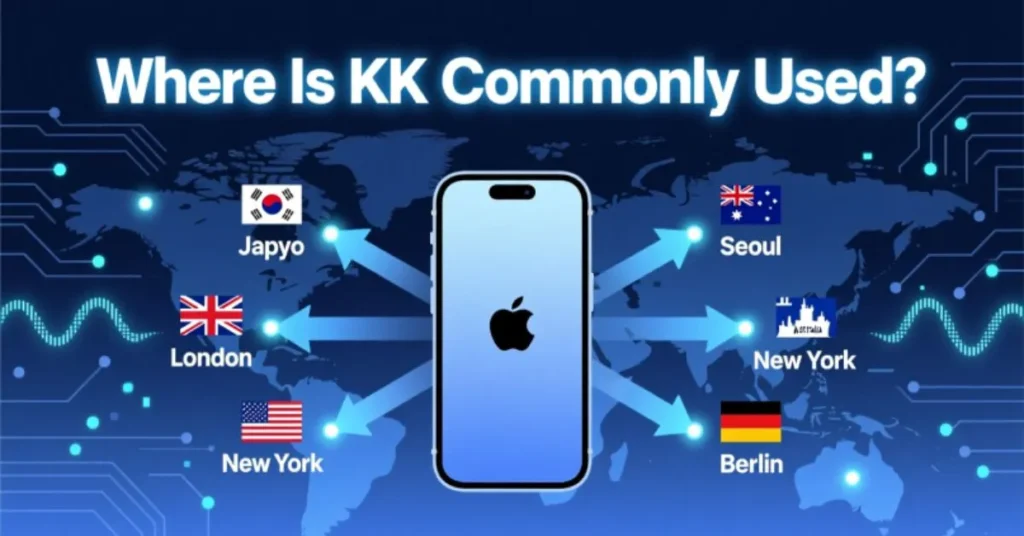
KK is widely used across social media and messaging platforms where casual, fast responses are common:
- Text Messages 📱 – Everyday conversations with friends
- Snapchat 👻 – Quick responses in chat
- Instagram DMs 📸 – Casual acknowledgement
- Facebook Messenger 💬 – Friendly confirmations
- Gaming Chats 🎮 – Fast agreement while playing
Tone: KK is informal, friendly, and social-media–friendly. It’s generally not used in formal or professional conversations.
Examples of KK in Conversation 💬
Here are some realistic examples of how KK appears in texting:
- Example 1:
A: Can you send me the notes later?
B: kk - Example 2:
A: I’ll be 10 minutes late
B: kk 😄 - Example 3:
A: Did you finish the assignment?
B: kk, almost done - Example 4:
A: Wanna grab pizza tonight?
B: kk 🍕 - Example 5:
A: Don’t forget the meeting tomorrow
B: kk, thanks - Example 6:
A: I’m heading out now
B: kk, see you soon - Example 7:
A: Remember to bring snacks
B: kk 😜
These examples show how KK is quick, casual, and often paired with emojis to convey tone.
When to Use and When Not to Use KK 🕓
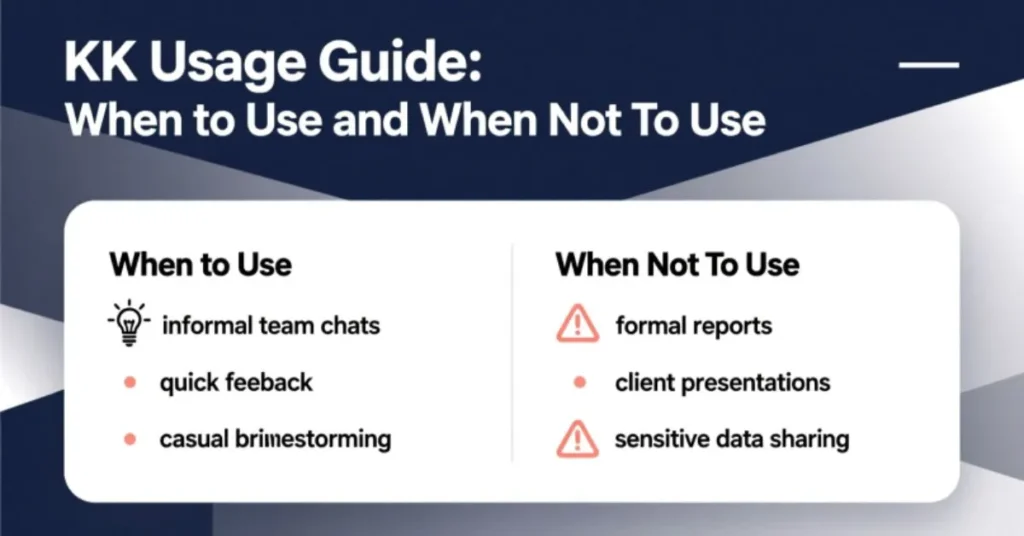
✅ When to Use:
- Casual texting with friends or peers
- Acknowledging plans or messages quickly
- Social media DMs
- Gaming chats
- Informal family texts
❌ When Not to Use:
- Professional emails or work chats
- Serious or sensitive conversations
- Situations where detailed responses are needed
- Texting teachers, bosses, or authority figures
Comparison Table:
| Context | Example Phrase | Why It Works |
| Friend Chat | No rush, kk 😄 | Casual & friendly |
| Work Chat | Okay, I’ll check | Polite & professional |
| Thank you, noted | Formal & clear |
Similar Slang Words or Alternatives 🔄
If you like KK, there are other quick texting shortcuts you can use:
| Slang | Meaning | When to Use |
| OK | Okay | Friendly, casual, or neutral |
| K | Okay | Quick response in informal chats |
| LOL | Laugh Out Loud | Funny situations |
| BRB | Be Right Back | Temporary absence in chats |
| TY | Thank You | Casual gratitude |
| NP | No Problem | Friendly acknowledgment |
FAQs About What Does KK Mean in Text ❓
Q1: Is KK rude to use?
Not at all. KK is friendly and casual, but overuse may make messages feel short or uninterested.
Q2: Can KK be used in professional settings?
It’s best avoided in professional messages. Use “Okay” or “Noted” instead.
Q3: Is KK the same as K?
Yes, both mean “Okay,” but KK feels a bit more playful and less abrupt than a single K.
Q4: Can KK be flirty?
Yes, paired with emojis like 😏 or 😉 it can add a playful or flirty tone.
Q5: Are there alternatives to KK?
Yes, alternatives include OK, K, alright, noted, or np (no problem) depending on tone.
Conclusion
KK is a versatile, casual, and friendly texting shorthand that makes your messages quick and easy to acknowledge. It’s perfect for friends, social media, and casual chats, but avoid using it in formal or professional communication. Now that you know what KK means and how to use it, you can confidently reply in texts without second-guessing the tone.
Summary:
This guide explained what does KK mean in text, its common usage, examples, alternatives, and FAQs. KK is casual, friendly, and perfect for informal messaging.

I’m a passionate language and meaning writer at meaningloop.com. With 3 years of experience, I explore meanings in text, abbreviations, niche slang, and love or relationship contexts. I help readers understand modern communication and express themselves clearly and confidently.