Have you ever been texting a friend or scrolling through a social media post and suddenly noticed “PS” at the end, leaving you puzzled? 😅 I remember the first time I saw it.I thought it might be some secret code or a typo! After a little research,
I discovered that PS is actually a super common abbreviation that’s been used for decades and is still widely relevant today.
Quick Answer:
PS stands for “Post Script.” It’s a friendly way to add an extra thought or message after the main text. Think of it as the cherry 🍒 on top of your conversation or message, giving your text a little extra punch.
What Does PS Mean in Text?
PS is short for Post Script, which comes from the Latin phrase post scriptum, meaning “written after.” It was originally used in letters to add a note after the signature when you forgot to include something in the main message. Today, it’s mostly used in digital communication like texts, emails, and social media posts.
In texting, PS is typically casual, friendly, or even playful. It allows the sender to include a last-minute thought, reminder, or comment without rewriting the entire message.
Example:
“Had a great time at dinner tonight! 😄 PS: You forgot your jacket at my place!”
In short: PS = Post Script = An extra note after your main message.
Using PS is not only practical, but it can also make your messages feel more personal and conversational. It’s like a small nudge or a wink at the end of your text.
Where Is PS Commonly Used? 📱
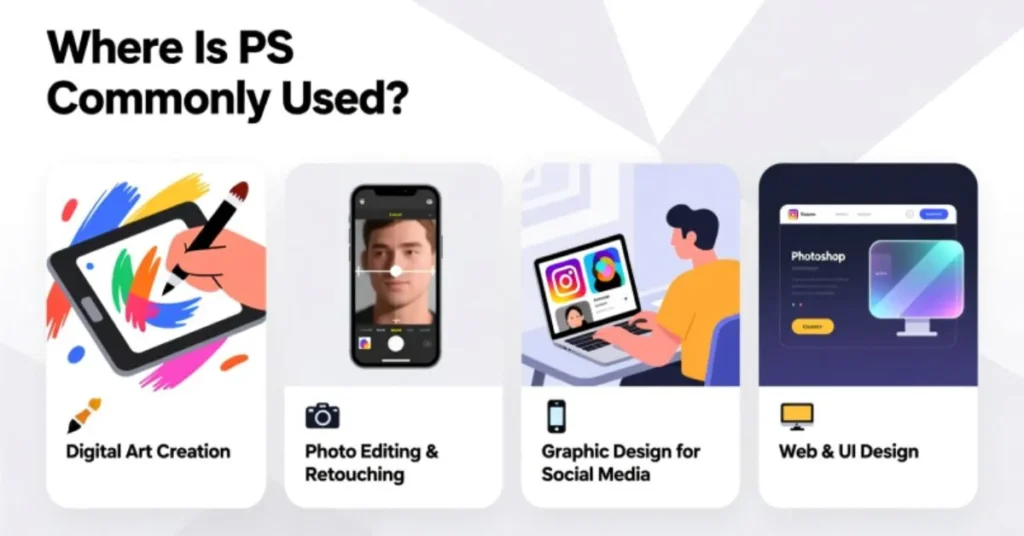
PS isn’t just limited to lettersit’s very much alive in modern digital communication. You’ll often see it in:
- Text messages 💌 – To add a small thought or reminder after the main message.
- Emails 📧 – Often in casual or semi-professional emails to include extra info.
- Social media posts 📲 – Used humorously or for emphasis.
- Direct Messages (DMs) 📨 – Adds a personal or playful touch.
- Handwritten letters ✉️ – Sometimes still used for notes or greetings.
Tone: Mostly casual, friendly, and sometimes flirty. Rarely formal, unless in a semi-professional email.
Examples of PS in Conversation 💬
Here are some real-life examples to help you understand how PS is used in texting and online messaging:
- A: Can’t wait to see you tomorrow!
B: Me too! 😄 PS: Don’t forget your favorite snacks! - A: I finished the report.
B: Great! PS: I added a few suggestions in the doc. - A: Love your outfit today!
B: Thanks! PS: That necklace really suits you. 💖 - A: Heading out now, see you soon!
B: Safe travels! PS: Call me when you reach. - A: I think I’ll try that new cafe.
B: Sounds fun! PS: Let me know if they have good desserts 😋 - A: Just wanted to say thanks for helping me yesterday!
B: No problem at all! PS: You owe me coffee next time 😏 - A: I’ll send you the files tonight.
B: Perfect, thanks! PS: Don’t stress about the deadline.
As you can see, PS is a simple way to add extra context, a reminder, or even a playful comment without interrupting the flow of the main message.
When to Use and When Not to Use PS 🕓
✅ When to Use PS:
- Friendly messages to friends or family
- Light-hearted reminders or extra notes
- Adding a flirty or playful touch
- Social media posts to emphasize something extra
- Informal emails or messages
❌ When Not to Use PS:
- Formal business emails
- Urgent or critical messages
- Serious or sensitive conversations
- Situations where clarity and professionalism are needed
Comparison Table:
| Context | Example Phrase | Why It Works |
| Friend Chat | “No rush, PS: Bring snacks 😄” | Casual & friendly |
| Work Chat | “The report is done. PS: Added notes.” | Polite & professional |
| “Please review the document. PS: See comments at the end.” | Formal & clear | |
| Social Media | “Had a great day at the park! PS: The ice cream was amazing 🍦” | Fun & relatable |
Similar Slang Words or Alternatives 🔄
If you like using PS, there are other short forms and texting shortcuts you might find useful:
| Slang | Meaning | When to Use |
| FYI | For Your Information | Sharing info casually |
| BTW | By The Way | Adding extra info |
| TL;DR | Too Long; Didn’t Read | Summarizing long texts |
| IMO | In My Opinion | Giving personal opinion |
| JK | Just Kidding | Making a joke |
| NB | Nota Bene / Note Well | Formal or semi-formal notes |
These alternatives can help you add variety to your texts and emails while keeping them concise and clear.
FAQs About What Does PS Mean in Text ❓
Q1: Can PS be used in professional emails?
A1: Yes, but only in casual or semi-professional emails. Avoid using PS in very formal or serious business communications.
Q2: Is PS considered old-fashioned in texting?
A2: Not at all! While it started in letters, PS is still widely used today, especially in casual messages and social media posts.
Q3: Can PS be flirty?
A3: Absolutely! A PS at the end of a playful message can add a flirty or sweet touch, e.g., “PS: You looked amazing today 😘”
Q4: Are there any alternatives to PS?
A4: Yes! You can use shortcuts like BTW, FYI, or simply add “Oh, and…” at the end of a message.
Q5: Should PS always come at the end of a message?
A5: Yes! PS is meant to be an afterthought or extra note added after your main message, never before.
Final Thoughts ✨
Using PS in your texts is a simple, fun, and effective way to add extra thoughts, reminders, or playful notes. Whether you’re texting friends, sending casual emails, or posting on social media, a well-placed PS can make your message feel more personal, friendly, and engaging.
Remember, it’s casual and versatile perfect for adding that little extra touch without rewriting your whole message. Next time you type a message, don’t forget to sprinkle in a PS it might just make your communication a bit brighter! 😄
Discover More Article
- LMR Meaning in Dating 🔍 Guide with Real Examples (2026)
- YFM Meaning in Text 🔍 Examples and Real Chat Usage (2026)
- IDEK Meaning in Relationship ❤️ Why People Use It in Chats (2026)

I’m a passionate language and meaning writer at meaningloop.com. With 3 years of experience, I explore meanings in text, abbreviations, niche slang, and love or relationship contexts. I help readers understand modern communication and express themselves clearly and confidently.